
Patient Experience
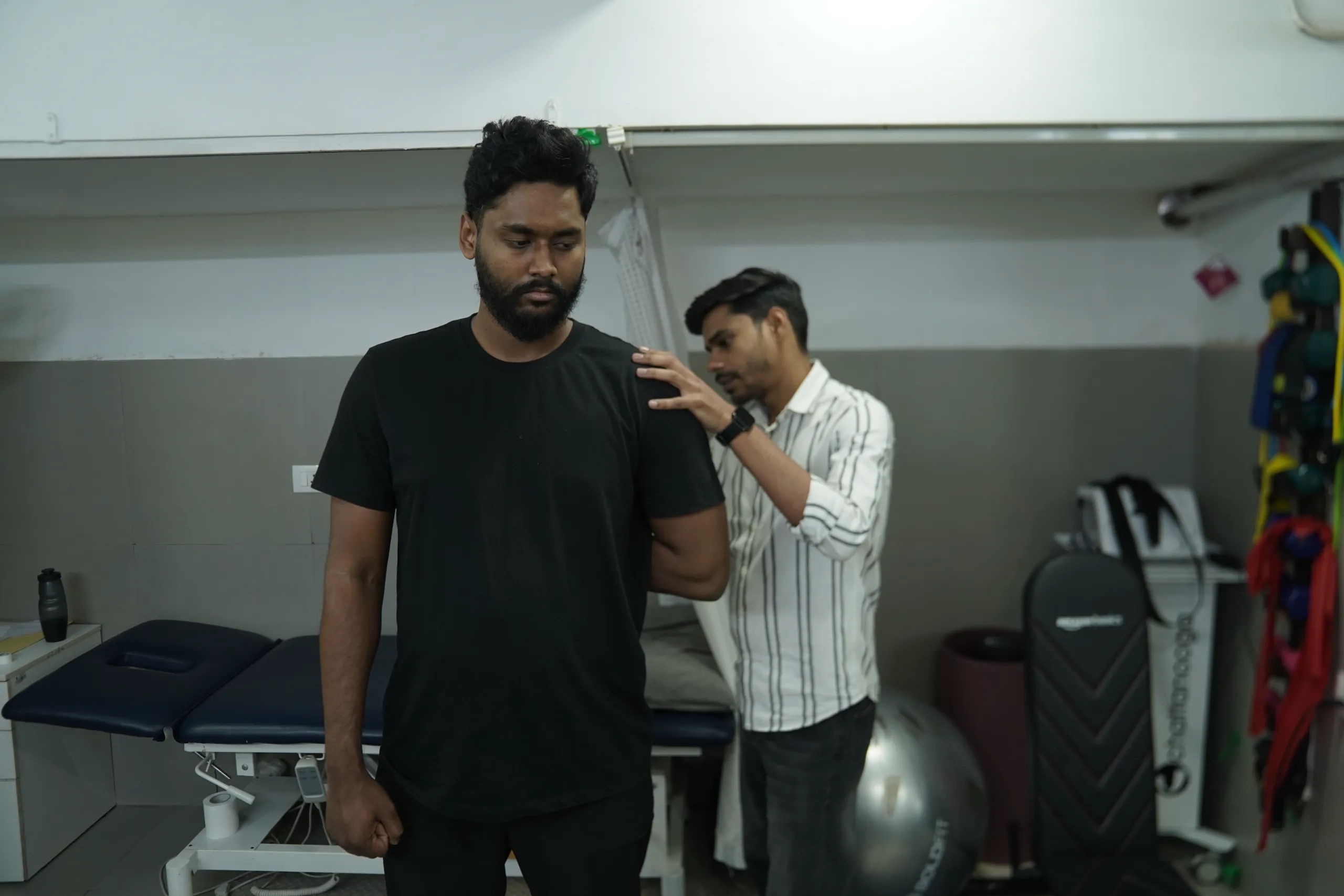
What to Expect at Our Physiotherapy Clinic
Starting physiotherapy for the first time can feel unfamiliar. Many people are unsure about what happens during a session, how treatment works, or what the recovery process looks like.
At our clinic, we believe that understanding your treatment journey helps you feel more confident, comfortable, and involved in your recovery. Here’s what you can expect when you visit us.
Welcoming You at Every Visit
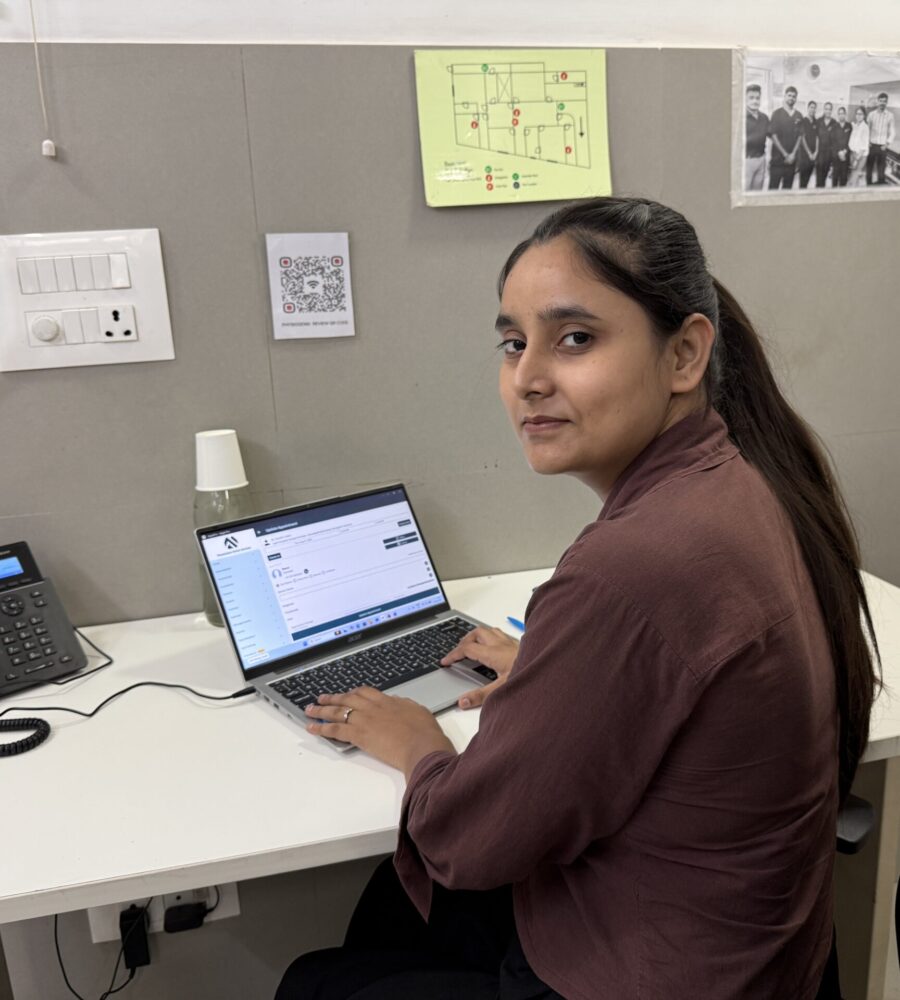
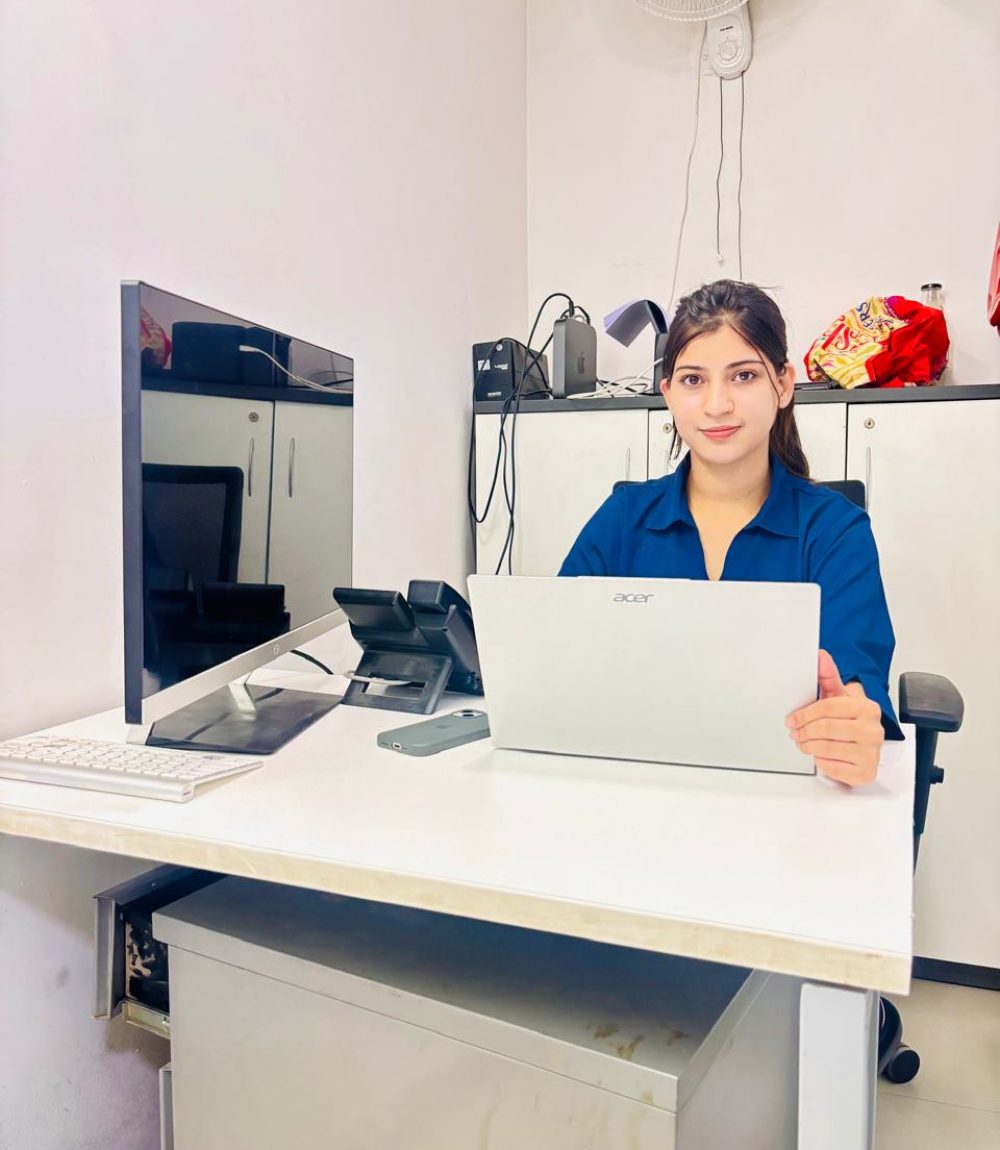
From the moment you enter our clinic, Ms. Prerna is here to help make your experience smooth, comfortable, and stress-free.
As our Administration Executive, she assists with appointment coordination, patient documentation, scheduling, and overall clinic communication to ensure an organized and seamless experience for every patient.
With a patient-first approach, Ms. Prerna strives to provide:
- Easy appointment coordination
- Smooth registration and assistance
- Clear communication and guidance
- Efficient record management
- A welcoming and professional environment
We understand that visiting a physiotherapy clinic can feel overwhelming for some patients, especially during their first visit. That’s why Ms. Prerna is committed to supporting every patient with kindness, professionalism, and attention to detail throughout their recovery journey.
Getting started is simple and convenient.
You can book an appointment through:
- Phone call
- Website
- Walk-in visit
During registration, our team will collect some basic information such as:
- Your contact details
- Medical history
- Current symptoms
- Previous reports or scans (if available)
We’ll also explain how the clinic process works and answer any initial questions you may ha
Your first session begins with a detailed discussion about your condition.
Your physiotherapist will take time to understand:
- Your pain or discomfort
- When and how the problem started
- Your daily activities and lifestyle
- Previous injuries or surgeries
- Your personal recovery goals
This conversation helps us understand not just the symptoms, but how the condition is affecting your everyday life.
After understanding your concerns, your physiotherapist will perform a physical examination to identify the root cause of the problem.
This may include:
- Posture analysis
- Joint movement testing
- Muscle strength assessment
- Walking or movement evaluation
- Balance and coordination testing
- Pain assessment
- Orthopedic or neurological tests (if required)
These assessments are safe, guided, and tailored to your comfort level.
Once the assessment is complete, your physiotherapist will explain:
- What is causing your symptoms
- Which muscles, joints, or structures are involved
- How physiotherapy can help
- What kind of recovery you can expect
We believe in using simple, easy-to-understand language so you always feel informed and involved in your treatment.
Together, we’ll also set:
- Short-term goals (pain relief, mobility improvement)
- Long-term goals (return to work, sports, daily activities)
Every patient is different, which is why your treatment plan is customized specifically for you.
Your physiotherapist will discuss:
- Recommended treatment techniques
- Frequency of sessions
- Expected recovery timeline
- Home exercises
- Lifestyle modifications
- Session costs or therapy packages (if applicable)
Our goal is to create a realistic and effective recovery plan that fits your needs
Depending on your condition, treatment may include:
- Manual therapy
- Therapeutic exercises
- Stretching and strengthening
- Electrotherapy modalities
- Dry needling or taping (if offered)
- Functional rehabilitation
- Posture and ergonomic correction
Sessions are designed not only to reduce pain, but also to improve strength, movement, stability, and overall function.
An important part of physiotherapy is helping you understand your condition.
Your physiotherapist may guide you on:
- Pain management techniques
- Safe movement strategies
- Activity modification
- Posture correction
- Injury prevention
- Lifestyle habits that support recovery
The more you understand your body, the more confident you become in managing your recovery.
Recovery doesn’t stop when you leave the clinic.
You’ll receive a personalized home exercise program that may include:
- Simple guided exercises
- Stretching routines
- Mobility drills
- Video or written instructions
These exercises help improve results, speed up recovery, and prevent recurr
Throughout your treatment journey, your progress will be regularly monitored.
Your physiotherapist will:
- Reassess your movement and pain levels
- Track improvements
- Adjust exercises or treatment if needed
- Review goals and recovery milestones
Visible progress tracking helps keep your treatment focused and effective.
As you improve and achieve your goals, we’ll guide you through the final stage of recovery.
This includes:
- Final reassessment
- Maintenance exercise plan
- Return-to-work or sports guidance
- Long-term prevention strategies
Our aim is not just short-term relief, but long-term health and injury prevention.
Even after your treatment is completed, we continue to support your recovery journey.
This may include:
- Follow-up calls or messages
- Wellness check-ins
- Future appointment reminders
- Feedback collection to improve patient care
We value long-term relationships and ongoing patient wellb
Your Recovery Journey
A good physiotherapy experience is more than just treatment.
It’s a journey where you feel:
Understood → Assessed → Educated → Treated → Improved → Empowered
Our goal is to help you move better, feel stronger, and return confidently to the activities you love.

the people behind
physiogenix
Meet the team dedicated to helping you move better, recover stronger, and live better.